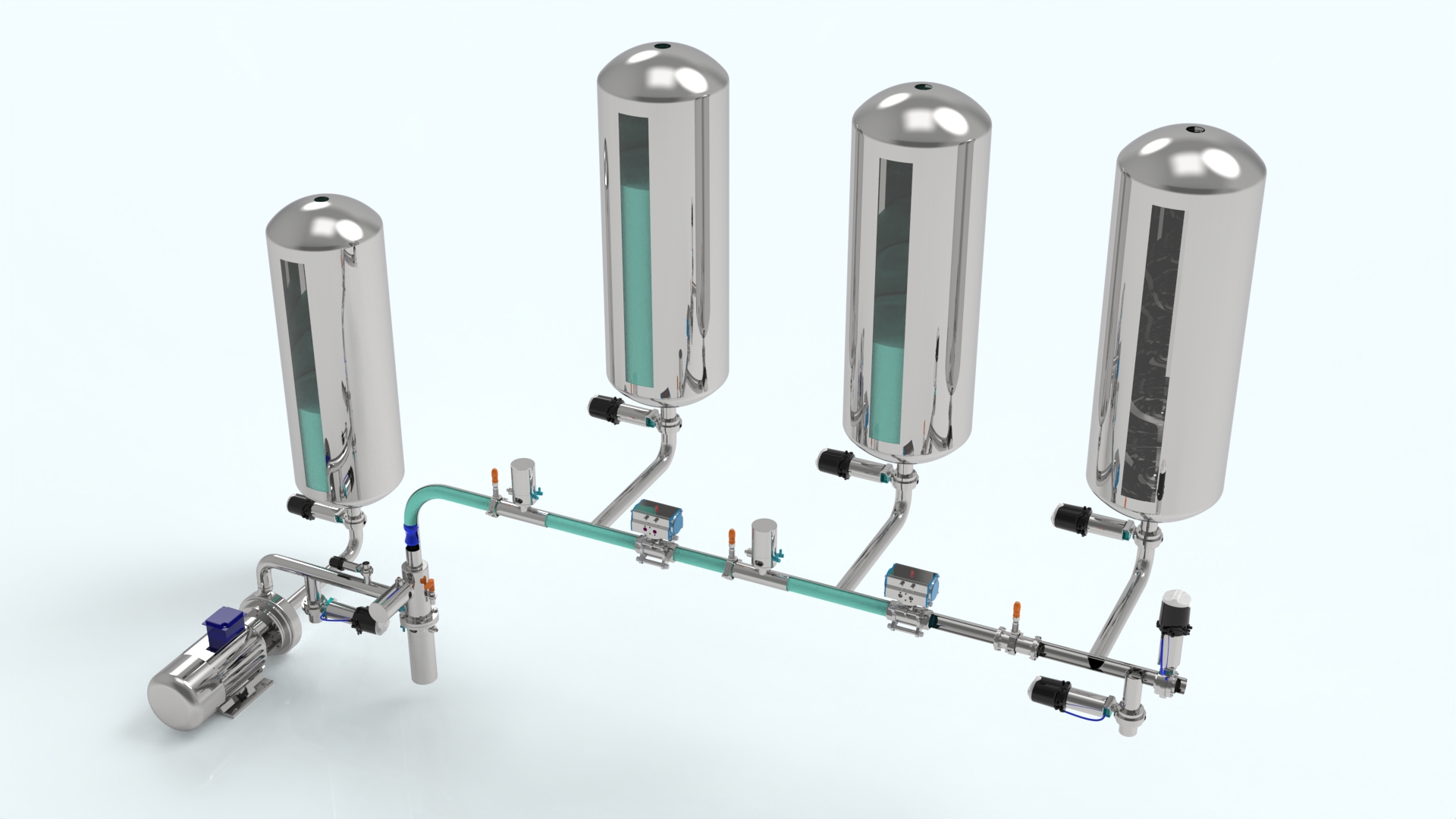
Opening some exhaustive investigation regarding flowline maintenance strategies exposes their key purpose in protecting channel integrity over various operational utilizations.
Pipe cleaning operates using innovative tools designated scrapers that advance through conduits, transmitted by liquids, to eliminate accumulations such as corrosion. This mechanism protects transport efficiency and lowers latency.
Boosting Pipeline Output with Pigging Mechanisms
Obtaining high-level conduit efficiency is paramount for reducing stoppages and improving overall earnings. Conduit maintenance practice delivers a potent resolution to clear impediments such as crusts and debris, which hinder conveyance. By incorporating state-of-the-art pigging solutions, professionals can significantly boost duct consistency and lessen maintenance outlays. What's more, this anticipatory maintenance habit aids environmental accountability by lessening commodity escapage.
Improvements in Pigging Technology and Its Applications
Conduit cleaning strategies have achieved remarkable advancements recently, expanding their usages across numerous markets. Initially invented for tube cleaning, pigging currently furnishes an array of remedies for well-being observation, flow localization, and even latent review of systems. Up-to-date technologies embrace intelligent pigging that uses advanced devices and figures study to offer a more exhaustive appraisal of channel performance. Defined deployments are apparent in crude and hydrocarbon movement, municipal distribution schemes, and even commercial operation.
- Elevated output in workflows.
- Lowered maintenance budgets.
- Advanced hazard control and green impact.
Picking the Proper Pigging System for Your Channel
Opting for the best pigging application for your tube is a essential conclusion influencing functionality and servicing. Consider varied components prior to concluding your final preference. Commence by carefully reviewing your line's explicit conditions.
- Pipeline build impacts unit adaptability.
- Operating load and volume dictate instrument layout.
- Discovery of residue, viscous mass, or other clogs commands the form of pig desired.
- Financial caps should also be examined. Ultimately, seeking guidance from experienced flowline servicing professionals ensures clients decide on the ideal approach for your distinct conditions.
Troubleshooting Common Pigging Complications
Rectifying common duct scraping problems regularly imposes a structured technique. As a first step, verify that the tool is adequately dimensioned for the duct. Over and above, inspect the sending station and destination for any restrictions. A typical concern is pipe sanitation defect caused by too much load; for that reason ascertain that running values persist within approved levels. Finally, evaluate damage on the mechanism’s components, particularly the gaskets, as this may point to the necessity for swap.
Duct Servicing Tools
Enhancing petroleum output and boosting procedures in the fuel arena requires modern pipeline cleaning techniques. These custom-designed methods reliably eliminate obstructions like sediment from ducts, preserving conveyance pigging solutions and curtailing pauses. In the end, conduit maintenance methods act as a necessary allocation for long-term petroleum operation.
Reducing Pipeline Maintenance Costs with Flowline Care
Proficiently lessening pipeline preservation costs is a important objective for a multitude of oil and gas businesses. A trusted method for accomplishing this is the insertion of pigging approaches. These engineered cleaning tools, or “pigs,” travel through the pipeline, clearing impediments, degradation, and other hindrances that can diminish flow efficiency and cause significant repairs. Consistent pigging processes can proactively tackle these concerns, enhancing the operational period of the pipe and reducing the obligation for considerable and labor-intensive treatments.
- Maximizes flow throughput.
- Lessens wear.
- Lengthens flowline service life.
Outlook of Pigging Techniques: Patterns & Expansion
This pigging sphere is equipped for substantial modifications, motivated by growing expectations for effectiveness and risk mitigation in crude oil and petrochemical gases channels. Experts forecast multiple decisive developments. At first, there’s a progress towards smart duct cleaning processes, accessing advanced tracking devices and data addressing ongoing surveillance and preemptive upkeep. In addition, novel compounds for mechanisms, including repairing compounds and reinforced frameworks, promise better sustainability and functionality. Ultimately, heightened priority on sustainable solutions, including eco-sensitive mechanisms and restricted scrap, signals resolve to conservationist care within this conduit sanitation domain.
Line Processes: Security and Green Reviews
Integrating pigging systems involves significant security and green matters for flowline experts. Proper planning and servicing are necessary to reducing potential menaces, including collapses and efflux of byproducts. Regular assessment of cleaning device status and duct sturdiness is necessary to verify hazard-free activity. Moreover, the collection of harvested byproducts demands accountable procedures to limit biological disturbance. Top approaches often integrate thorough threat study and comprehensive instruction for staff.
- Minimized Conduit Damage
- Improved Matter Recollection
- Curtail Eco-Friendly Footprint