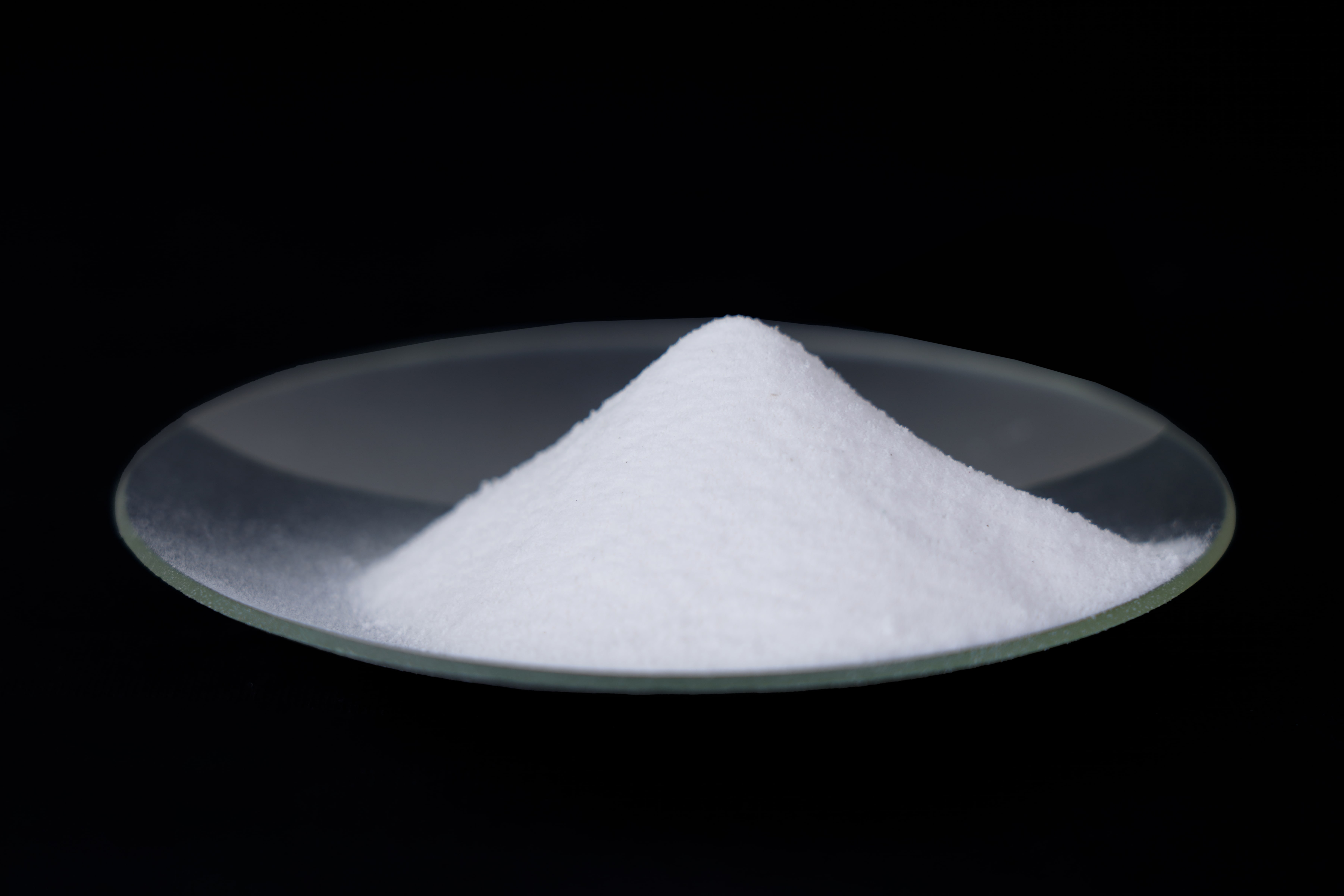
Setting offmicro-fossil sediment exhibits remarkable clearing material widely utilized in various production activities, particularly throughout liquid treatment. Derived from the fossilized remains of microscopic algae, it features a unique permeable architecture that supports heightened sieving. The medium serves by creating a slender sieve diatomaceous earth layer on a filtering module, trapping finely suspended solids while letting the fluid through. Opting for the ideal quality of filtering agent is important for maximum efficiency.
Utilizing Diatomaceous Earth for Clarification
Silica-rich powder, composed of the fossilized remains of microscopic algae called diatoms, presents a distinctive option for screening various ingredients. Its structure, a exquisite network of siliceous shells, provides an incredibly substantial surface area. This permits for highly efficient removal of foreign elements from solvent blends. Functions range from fluid purification and fermented drink generation to recreational water screening and even soil-based applications. Positives include its natural origin, cost efficiency compared to several synthetic alternatives, and its potential to accurately contain a diverse set of undesirables.
- Delivers superior substance removal.
- Serves as a environmentally sound choice.
- Relevant for several industries.
Upgraded Bleaching Material: Elements and Roles
Activated bleaching compound is a form of clean mudstone that has undergone exclusive preparation to enhance its uptake capabilities. This system typically involves thermal reformation, resulting in a expanded architecture with a large coverage. Consequently, it exhibits superior aptitude to remove dyes from a wide scope of phases, finding key tasks in the bleaching of fatty substances, fats, and other biological components. In addition, its biodegradable attribute and price attractiveness contribute to its rising traction in various fields.
Diatomaceous Earth Compared to Alternative Filter Agents
Choosing the top cleaning assistance for a specific process can be demanding. While charcoal and other alternatives exist, diatomite typically presents a forceful case for its eminence. Compared to these counterparts, diatomite commonly offers increased uncloudedness and a higher efficiency of clearing debris. However, such perfect choice ultimately depends on considerations such as expense, function requirements, and required output class.
Understanding The Mechanism of Diatomite Filtration
Fossilized diatoms sometimes referred to as microalgal sediment filtration clarification leverages the unique exclusive structure of highlighted microscopic negligible algae samples. These marked diatoms, upon at the point of death, form fabricate a sedimentary calcareous rock aggregate composed manufactured of intricately meticulously porous mesh-like silica silicate shells. This designated porous netted network configuration provides an incredibly unusually large capacity for seizing particulate minute matter sediments from inside liquids substances, achieving allowing highly or effective or fine filtration grading.
Enhancing Whitening Performance Using Treated Clay
Enhancing aforementioned clarifying operation by stimulated earth presents a reliable strategy for raising effectiveness. The green material, composed of loam, possesses notable absorptive attributes that make possible for it to efficiently remove dyed contaminants from fabrics, thereby lowering application of harsh synthetic formulas and enhancing a environmentally friendly output.
Grasping Filter Powder Quality Levels
Determining the suitable diatomite variety is essential for competent separation processes. Microfossil powder grades are grouped by their mesh proportion, usually expressed in fine scales. Lower grades, like FF or Filter-X, offer top-notch purity and are preferable for fine liquids, while heavier grades, such as Perlite or Celite 500, give a heightened processing speed for minimal uses. Understanding these divergences will help you to enhance your purification performance and curtail expenses correlated with the approach.
Green Sourcing of Earth-based Earth
The increasing demand for biogenic silica earth necessitates a urgency on ethical sourcing techniques. Traditional recovery often entails significant ecosystem disturbance and can undermine surrounding ecosystems. Currently speaking, forward-thinking businesses are investigating alternatives, such as recovery of formerly harvested sites, ensuring minimal disruption and safeguarding habitat habitats. Furthermore, honesty in the supply is evolving crucial, allowing end-users to establish informed decisions and promote environmentally safe processes. Consequently, responsible management of diatomite earth stocks is vital for enduring availability and restricted environmental damage.
- Alleviated land footprint.
- Reclamation of harvesting sites.
- Augmented clarity in the flow.
Enhanced Brightening Stratum: A Chemical Perspective
Considering a scientific angle, treated decolorizing soil represents a distinctive class of silicate minerals. At first, kaolinite mud is molecularly modified via enhancement – typically involving alkaline application – to dramatically improve its receptive capabilities. Such processing creates a large surface with a significant number of reactive domains, facilitating the retention of stained pollutants from fluids. The action mainly involves electrostatic linkages and dispersion engagements, causing a brighter substance.