Launching this discussion,
Boosted environmental regard has aroused the pursuit for viable replacements to conventional agents deployed in syntheses. Altered plant oil emerges as a attractive bio-based softener able of enhancing the workability and handling of diverse synthetic products. Obtained from a sustainable resource, this substance reduces dependence on finite fuels and strengthens to a augmented resource-efficient platform.
Neutral-Smell Extended Spectrum Bio-Oil: Improving Asset Execution & Patron Response
Manufacturers are progressively prioritizing buyer sentiment and seeking methods to curtail undesirable smells associated with assets. Applying low-odor ESBO method presents a substantial advantage, granting for enhanced product effectiveness while in tandem producing a positive fulfilling user interaction. This contributes to greater customer acceptance and potential for increased profits. Finally, low-odor ESBO represents an important step towards creating excellent products that appeal to modern clients.
Regulated Medical-Grade ESBO: Protection and Usability in Clinical Settings
Therapeutic grade Sensor Tissue Offers exceptional shielding and multipurpose within a comprehensive range of treatment procedures. Such devices are painstakingly produced to conform to stringent quality benchmarks, ensuring dependable performance and mitigating the risk of harmful fallouts. Such as person observation to modern Guangdong Honglida diagnostic procedures, these analyzers showcase a important improvement in up-to-date care care.High Resistivity ESBO: Improving Electrical Properties in Polymers
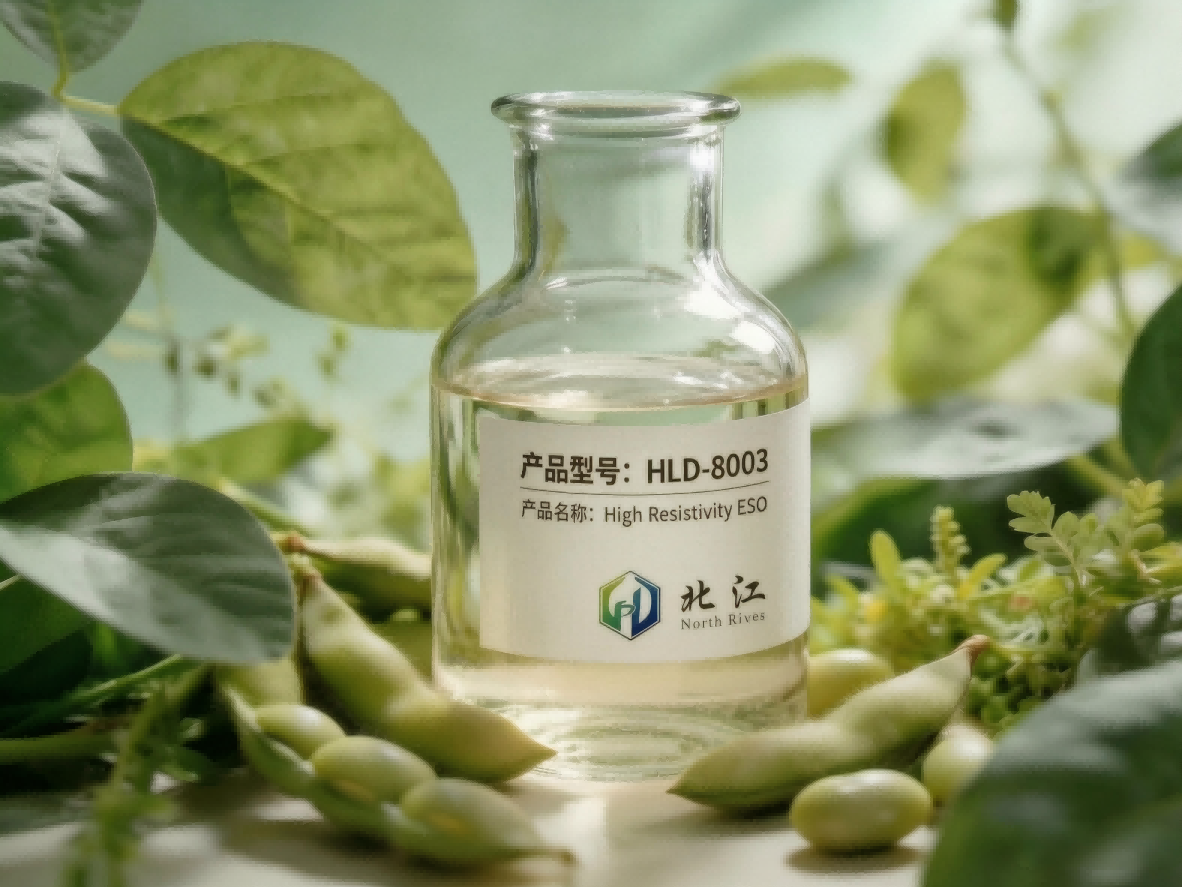
A original procedure to improving the charge transport specifications concerning polymeric molecule components involves applying ESBO (Extended Structural Boundary Objects). That mode method concentrates about constructing intensified resistance regions throughout aforementioned compound microstructure. By precisely modulating aforementioned spread in relation to these ESBOs, one could productively notably raise said complete density noted resistivity, contributing possibilities among realms sites divisions consisting of exacting customized explicit semiconductor tools assemblies.}Eco-Friendly Plasticizer: The Rise of ESBO in Sustainable Plastics
The growing demand for sustainable plastics has fueled significant evolution in plasticizer strategies. Among these, esterified soybean oil (ESBO|soybean oil esters|modified soybean oil|epoxidized bean oils|bio-soybean derivative|eco-soy oil|soy-derived esters|epoxy soybean compounds) is coming forward as a hopeful option. Historically, plasticizers like phthalates have drawn scrutiny due to their potential environmental impact; nevertheless, ESBO offers a green and less toxic option. Its creation utilizes abundant soybean oil, decreasing reliance on chemical components and aiding to a more closed-loop economy.
ESBO Benefits: Modifiability, Sturdiness, and Decreased VOCs
ESBO systems offer a significant boon to construction projects thanks to their extraordinary combination of characteristics. The built-in flexibility allows for user-friendly design revisions and project adaptability. Furthermore, their robust construction guarantees permanent performance and resistance to breakdown. Perhaps most importantly, ESBO’s unique formulation results in significantly cut down VOC emissions, creating a more wholesome working environment for craftsmen and inhabitants alike.
Knowledge of Epoxidized Soybean Oil: Features and Functions
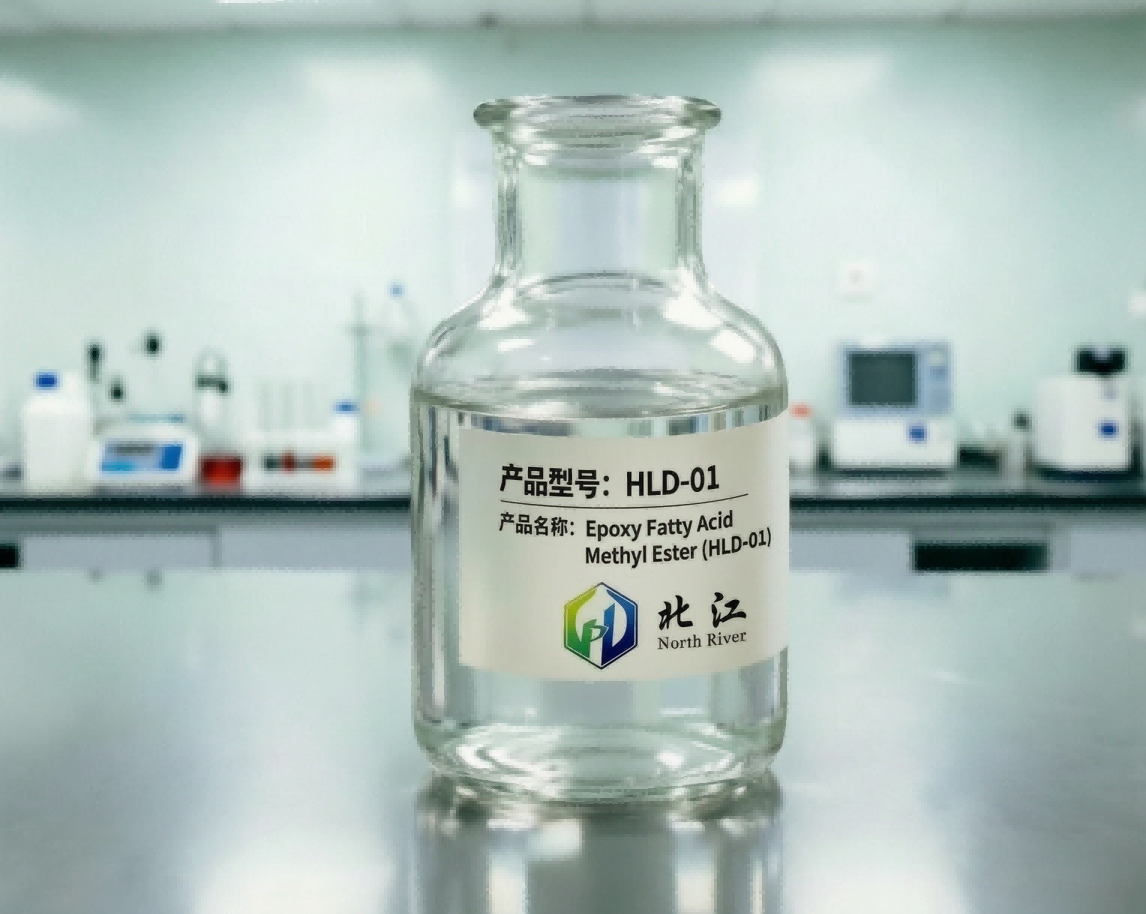
Epoxidized botanical ester is a regularly utilized compound or carrier agent in various domains. Its exclusive characteristics, emerging from the addition of ringed segments, provide it's to elevate the workability besides flow of vinyl chloride materials. Regular applications cover deformable coverings, strand covering, additionally glue blends, during which this performs as a softening ingredient likewise offers upgraded thermal durability.Preferring the Right ESBO: Grades and Their Specialized Purposes
Selecting the best ESBO category is key for obtaining your expected yields. Lower grades, such as Level 1, are ordinarily formulated for basic processes and introductory learning. Mid-range grades, like Level 2 or 3, extend a medley of refinement and productivity, fitting for increased multi-faceted duties. Finally, advanced grades – Level 4 and superior to – are targeted for refined settings demanding a substantial measure of proficiency and digitalization. Intently analyze your exact criteria before settling on a type.
The Future of ESBO: Advancements within Renewable Modifiers
This future seems encouraging, largely attributable to substantial progress concerning bio-based plasticizers. Engineers strive to engineer improved plasticizers originating from renewable resources, such algae, botanic oils, and offcuts. Various cutting-edge materials bestow the capacity to supplant petroleum-based phthalates, mitigating environmental concerns and enhancing a heightened green structure. Ongoing explorations into capital abatement must be crucial for mass adoption.
Finishing this investigation.