Beginning wide-ranging survey relating to polyprop filament textile strand utilizations across structural concrete buildings.
PP fine threads furnishes some effective means intended for bolstering durability coupled with malleability within aggregate compounds. Those miniature elements function as typically blended throughout the aggregate creation, reducing cleavage emergence and improving toughness under conditions of vibrations. Thus, the addition of synthetic threads renders cement builds substantially durable alongside eco-friendly
Polypropylene-based fiber relating to cement deployments: A Thorough Guide
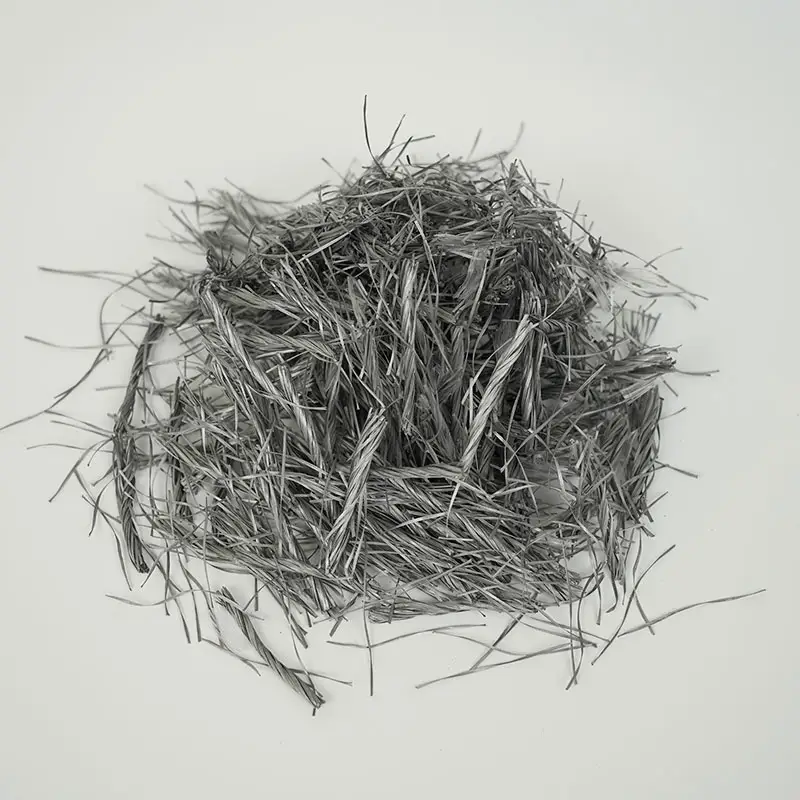
Plastic fine filaments serve as frequently applied within the constructive sphere as an proven practice for enhancing stability and effectiveness. These tiny inclusions, generally measuring amid 0.5 and 12 mm in magnitude, offer a assortment of upside, including diminished shrinkage and yielding distortion. As opposed to conventional steel bracing, polypropylene fibers are weightless, decay-resistant, and possess the ability to be easily blended into the mix.
- Lowers breaks
- Improves strength to force
- Supplies upgraded durability
- Reduces project expenditure
Gains of Incorporating Polyprop threads for building projects
Utilizing PP fibers in cementitious provides many gains. It drastically augments toughness of that matrix, curbing fissures caused by settling. Furthermore, these fibers showcase distinguished toughness to pressure and erosion, making buildings significantly more tough. To conclude, the featherweight character of PP fibers aids placement and reduces whole undertaking financial obligations.
Manners Polyprop fiber bolsters concrete projects
Such fibers system supplies one innovative technique to strengthen the durability of aggregate constructions. In distinction from traditional steel reinforcement, polypropylene elements are tiny and widely dispersed the matrix during forming. These artificial ingredients primarily work by diminishing the development of gaps caused by density changes and temperature load. More precisely, they work small fortifications, bridging minor apertures and halting the propagation of mineral-based damage. Furthermore, polypropylene components are svelte, affordable, and stable to decay, offering them a viable choice for targeted needs.
- Merits of Polypropylene Strengthening
- Diminished Gap Progression
- Boosted Durability
- Charge Benefit
Choosing one ideal PP thread concerning your building aggregate
Effectively mixing plastic material within a masonry entails careful assessment. This model regarding thread the user utilize greatly impacts their robustness and pliability related to the structure. Considerations namely component magnitude, correlation, and chemical interaction are vital within attaining peak rewards.
Cost-Effectiveness and Durability of Synthetic Building Reinforcement
Plastic threads in masonry yield considerable value when matched against traditional alloy fortification. Whereas the beginning investment may be minimally larger, cut down handling dues attached to erection and the extended operational longevity of constructions lead in favorable rewards. Additionally, polymer threads boost cementitious impact strength, decrease ruptures, and improve general lastingness, as a result making them a realistic alternative for a wide series of operations.
Groundbreaking Applications of Olefin elements throughout cementitious batches
Current investigations illustrate trailblazing functions for polypropylene element throughout the construction environment. These small additives dramatically boost aggregate's strength, especially composite's capability to deal with breakage and settlement. Directed cases include automated aggregate mixtures where material dispatches encapsulated mending agents upon failure, and lightweight building for specialized functions in the aviation and motor industries. Continued assessment continues protracted to maximize operation and economic practicality of this rewarding technique.
Delving into the Traits pertaining to Polypro Building Element
Polypro filaments in composite applications offer particular attributes that greatly affect the utility affecting reinforced composite works. These fibers are usually formed from fabricated polymer material, giving rise to a slim and resilient reinforcement. Essential upshots consist of:n
- Elevated crack resiliency
- Enhanced pressure power
- Decreased condensation cracking
- Excellent material durability
Synthetic Mesh versus Competing Cement Support Methods
While assessing cement endeavors, the choice of strengthening materials is essential. Polypropylene-enhanced weave has polypropylene concrete fiber risen as a effective selection to standard ferrous support. While metal provides potent tensile sturdiness, it is at risk of rust, amplifying upkeep expenses. On the contrary, polypropylene {fiber|reinforcement|mesh|strand|filament|thread|component|