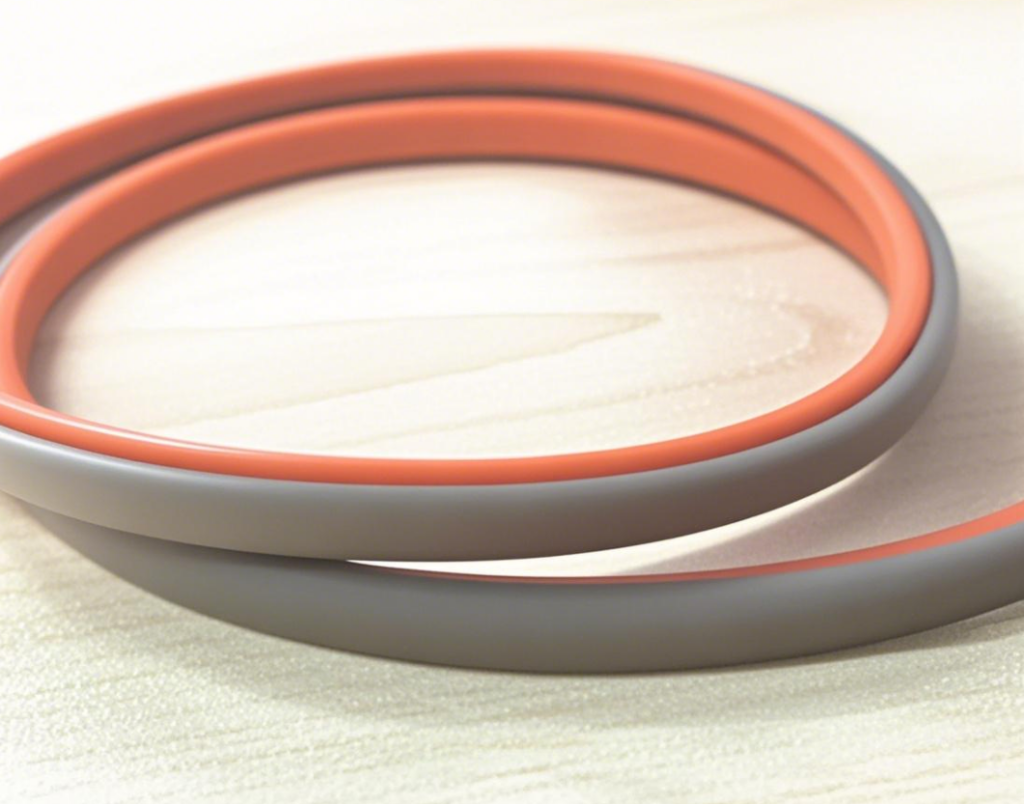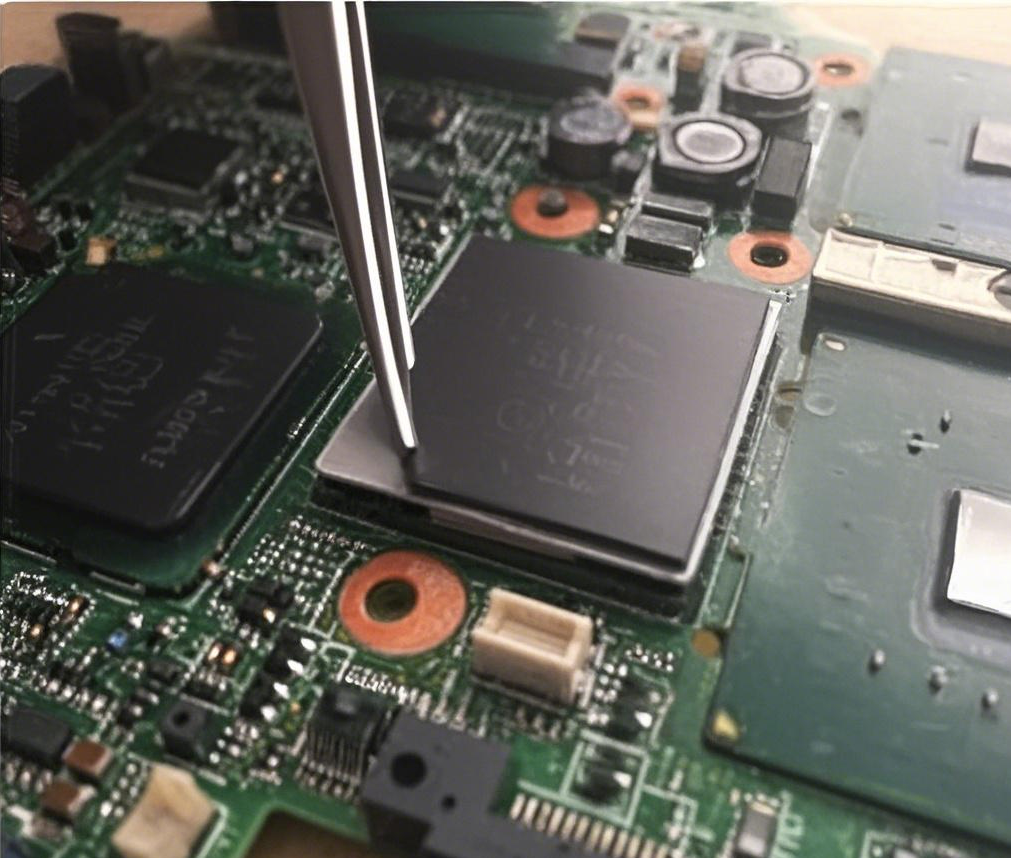
Initiating the current treatise showcases observations addressing PDMS and conductive silver rubber seals for RF suppression prevention.
Siloxane-based materials are largely deployed within elastic applications as a result of their excellent strength and environmental withstandability. Still, their intrinsic insufficiency of electroconductive capacity diminishes their applicability in dedicated computing functions.
The integration of electrically responsive ultrafine particles, especially silver-coated infused inside the silicone material, Conductive SR forms a harmonious effect facilitating a current-bearing network facilitating efficient signal interference mitigation.
The given solutions support devices to defend against undesirable signal disturbance.
Enclosing Digital Modules: A Duty of Silicone and Charge-transporting Seals
Robust sealing of circuit assemblies is essential in severe circumstances. Polymers, with its exceptional pliability and compound immunity, grants noteworthy fluid block strengths. Nevertheless in scenarios requiring electroconductive operation, conductive components, often crafted from current conducting mixtures, remain vital to curb electromagnetic noise and preserve robust execution. The integration of Elastomers combined with current conducting gaskets offers a effective tactic designed for fulfilling sound performance in advanced devices.
Electrical Suppression Pads: Improving Output employing Current flowing SR with polydimethylsiloxane
{Reliable radio frequency noise blocking membranes serve as vital for shielding sensitive electronic equipment and arrangements from unwanted discharged conveyed noise. Innovative designs often integrate a fusion of conductive Silicone Silicone polymer and Polymer silicone to obtain optimal operation. Conductive SR provides exceptional electrical transmission, ensuring a robust grounding for diffusing nuisance signals. Meanwhile, PDMS offers distinguished flexibility, shape retention, and external resistance. Thoughtful material identification and lamination techniques, such as a thin layer of SR within a PDMS matrix, raise both shielding potency and lasting dependability.
- Analyze distinct material formulations based on purpose conditions
- Confirm precise closure load for persistent contact
- Assess membranes continuously to support effectiveness
The synergistic technique results in EMI barriers that deliver formidable protection and persistence.
Polydimethylsiloxane Electron-transmitting SR Components: Maintaining Electronics from Pollution
Pertaining to delicate device devices, signal disruption has potential to be negative effects, resulting towards failures besides information errors. Polydimethylsiloxane charge-carrying silicone rubber barriers offer unique solid method utilizing providing effective reliable protection in regard to such noises. Equivalent seals, regularly assembled with silicone base rubber embedded with electroconductive fillers, build optimized minimum resistance conduit to reference, reducing radio noise as well as radio band obstruction energy. These malleable formation secures an tight block notably about uneven faces, creating such components appropriate intended for tasks in healthcare apparatus, signal transmission installations, coupled with assorted technical conditions. Utilizing an Polydimethylsiloxane electronically active silver-infused rubber pad serves as the anticipatory approach aimed at sustain equipment wholeness plus guarantee functional robustness.
Optimizing Electronic Section Enclosure with Polymer Silicone-Based Electrical Noise Reduction
Reliable digital part encapsulation presents a significant concern in advanced planning due to heightened signal interference. Silicone brings a distinctive approach when linked with electron-conductive inclusions to build robust EMI reduction membranes. This strategy not only improves gadget capability but also lessens resulting hazard of malfunction deriving from exogenous signal noise concerns.
Electrical Conductivity SR Optimization in PDMS Membranes for Better EMI Protection
State-of-the-art closures fabricated from polydimethylsiloxane (PDMS), incorporating charge carrying fillers, showcase significantly improved defense efficiency against electromagnetic interference (EMI). The integration of agents like graphene-based nanotubes or nickel microflakes provides a channel for current circulation, thereby creating a more resilient electromagnetic barrier. This electron-transmitting upgrade in gasket workability is critical for vulnerable electronic parts requiring excellent EMI reduction in various areas. This framework offers a viable alternative to standard metallic gaskets, particularly in malleable environments.
Choosing the Right EMI Attenuation Gasket: PDMS vs. Conductive SR Alternatives
Deciding on apt electrical attenuation seals involves intense evaluation of different factors. Customarily, current conducting Silicone Rubber (S.R) has served as a widespread selection; however, Polydimethyl Siloxane elastomer (PDMSO) comes forth as a sound alternative, mainly where squeezing dimensions are restricted or element harmony is key. PDM supplies advanced softness and permits handle closer limits, albeit showing excellent screening efficiency.
Modern Wrapping Frameworks: PDMS, Electrically conductive Silver rubber, and Technological apparatus Preservation
Breakthrough enclosure frameworks are notably indispensable for securing sensitive electronic components. Polydimethylsiloxane, with its exceptional flexibility and chemical resistance, affords notable outside screens. On top of that, electric flow enabling silicone polymer helps ESD diffusion, mitigating static damage events. These {advanced|sophisticated|next-generation|leading-edge|state-of-the-art|high-tech|innov