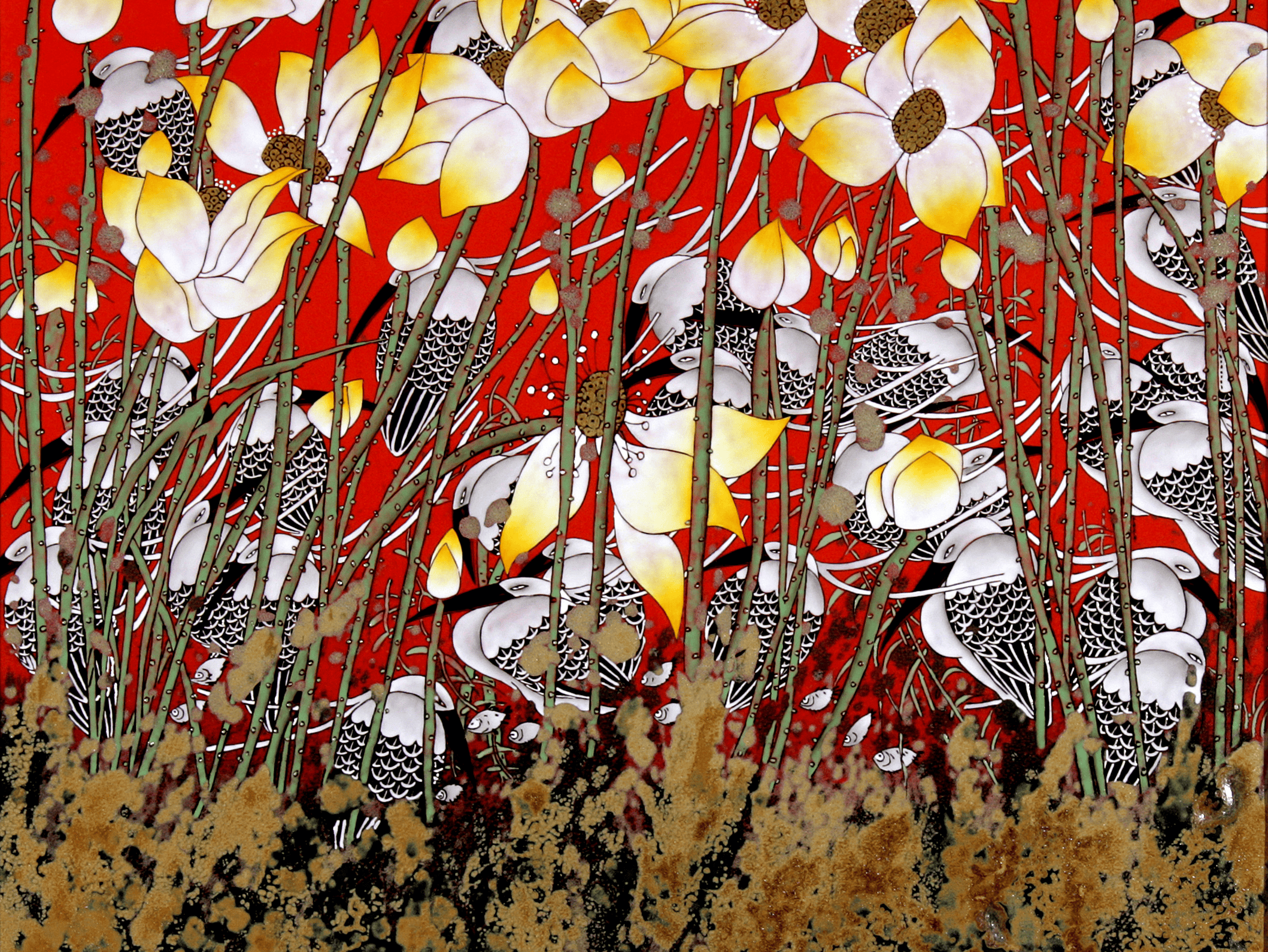
Stoneware form symbolizes a outstanding craft genre with a extensive legacy, reaching back innumerable of times. From ancient receptacles to present-day installations, the matter offers unique possibilities for creative manifestation. Artisans practice various techniques – including modeling, wheel rotating, and elevated firing processes – to transform humble mud into exquisite three-dimensional artifacts. The durability of fired clay also contributes to its status as a truly enduring part of human legacy.
Researching Ceramic Panel Styles and Practices
The landscape of ceramic emblem design offers a vast array of artistic possibilities. Craftsmen often adopt a amalgamation of authentic and up-to-date techniques to develop visually striking pieces. These can range from simple, sculpted reliefs to complex, multi-layered layouts. Frequently used methods include form mold, hand building, glaze application – which can involve several approaches like underglaze painting, overglaze decoration, and scratched design where designs are uncovered by removing a layer of coating. Further exploration into outer appearances such as the raku firing method and lustre decoration can produce truly unique and bespoken terracotta shields.
- Template Making - Making pieces using a template
- Forming by hand - Carefully molding the earth
- Glaze Application - Finishing the layer with a shiny finish
- Scratched decoration - Revealing designs by eroding shells
Absorbing Experiences: Clay Art Assemblies
The progressing landscape of craftsmanship presents exciting innovative avenues for viewers, and ceramic art installations are at the pinnacle of this wave. These aren't just static sculptures; they are assembled to envelop the onlooker in a sensory experience. Imagine travelling across a forest of towering, polished ceramic trees, or navigating a maze of sensitive ceramic vessels. Many craftsmen are now incorporating audio, glow, and even perfume to enhance the feeling of their work. Reflect on the power of a room filled with hundreds of uniquely ceramic artifacts, each telling a account. Often, such installations analyze themes of ecosystem, heritage, and people.
- They installations blur the limits between art and construction.
- Witnessing a ceramic art installation can be a deeply significant journey.
- Designers are advancing the boundaries of what is realizable with clay.
This Attractiveness of the Earthenware Receptacle: Purpose and Outline
The clay jar represents a distinctive mixture of effectiveness and visual appeal. Historically, these jars served a simple purpose in keeping materials, but their advancement has transformed them into highly valued works of art. Each object showcases the mastery of the potter, demonstrating how structure can be as noteworthy as function. The meticulous shaping, the individual glazes, and the aggregate presence of a expertly-built holder can raise a space, offering both charm and a reserved reminder of the designer’s hand.
Present-day Terracotta Design : Extending Edges
Latest brick sculpture represents a fascinating departure from established practices. Artisans are enthusiastically innovating with different strategies, overlapping the borders between craft and other creative fields. From immense installations to ornate miniature pieces, those works study themes of heritage while coincidingly remaking the very of what clay can represent. The outcome is a vibrant world of imaginative representation.
Pottery Marker: Protecting Past in Earthenware
Earthenware plaques offer a special method for registering significant events and individuals. Compared to traditional metal or stone markers, these resilient pieces of craftsmanship are formed from hardened clay, creating a tangible link to the past. Often, they illustrate intricate models or precisely drawn imagery, communicating stories that might otherwise Ceramic Tableware be disregarded. These technique, coming from ancient societies, provides a aesthetically pleasing and lasting way to respect our collective heritage.
- The aforementioned can be installed in communal spaces.
- Many are now recognized historical remnants.
Earthenware Art Creations: Transforming Sites
Porcelain art installations are becoming a powerful medium for artisans to remodel public and private settings. These immersive compositions frequently involve grand clay structures that captivate viewers, reshaping their view of the constructed environment. By combining diverse procedures like slab forming and comprehensive firing systems, ceramic artists produce truly extraordinary experiences, softening the boundaries between production and environment. The upshot is often a emotional modification that improves the visual quality of the venue and inspires discussion.
Origin Spin Tool to Miracle: The Technique of the Stoneware Urn
The journey of a clay vase from a simple lump of mud to a elegant work of production is a testament to human inventiveness. Classicall, the process commences with the potter’s rotary device, where the talented artisan creates the spinning earth into a cylindrical form. This primary component demands finesse and a perceptive eye, followed by a delicate drying period. Once initially cooked, the receptacle is ready for embellishment, which may engage designing intricate motifs, inscribing detailed vignettes, or incorporating a array of textures. The ultimate cooking process then evolves the work into a durable and exquisite holder, a tangible demonstration of the maker's creativity.
Forming with Clay: A Introduction to Earthenware Expression
Surveying the realm of clay design begins with mastering the rudiments of shaping with ceramic material. That means includes carefully building and reducing matter to fashion three-dimensional creations. If you're a starter or a master artist, playing with various sorts of pottery – for example ceramic – will support you explore your original signature. At last, porcelain shaping is a worthwhile quest that merges skilled know-how with expressive presentation.