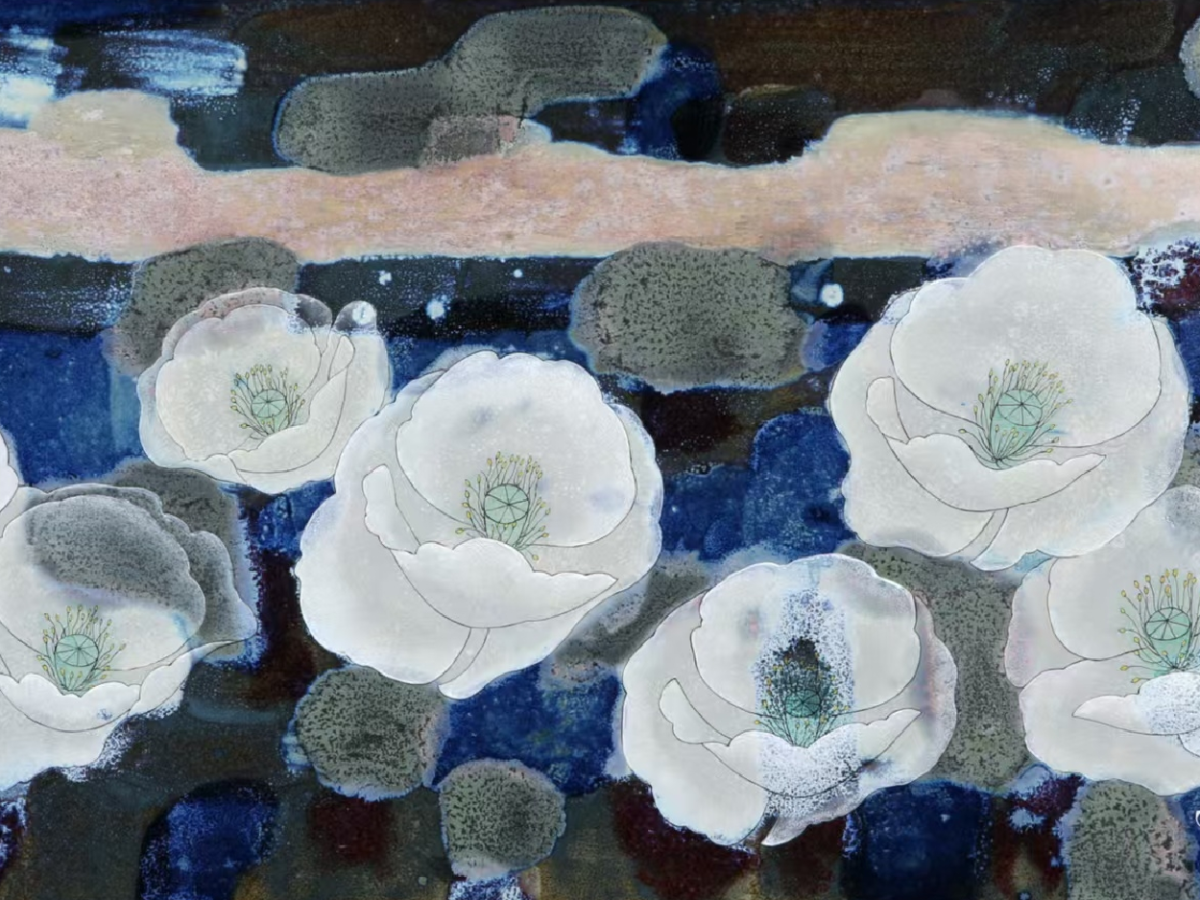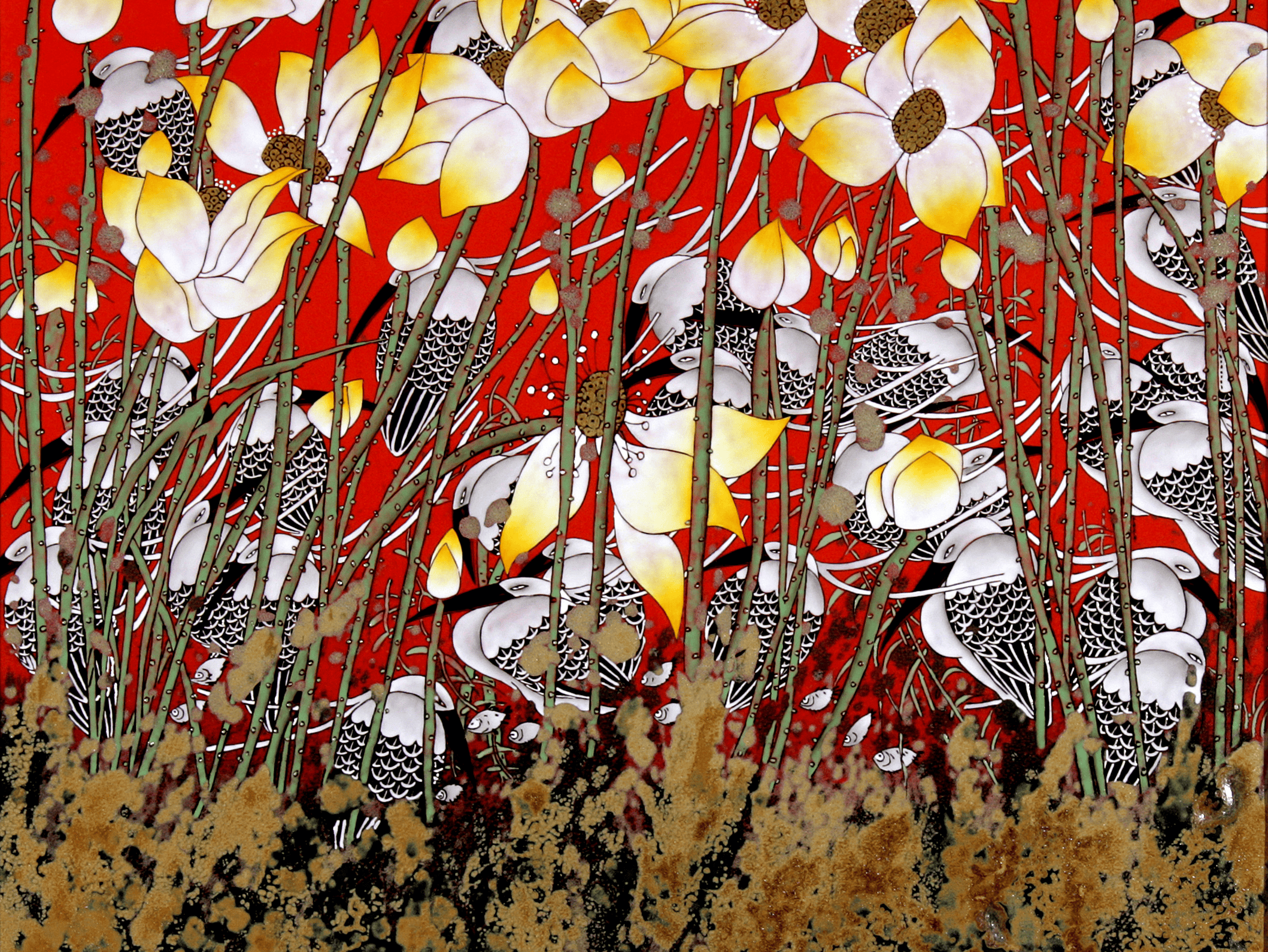
Brick form symbolizes a extraordinary expression style with a enduring history, reaching back innumerable of times. From ancient containers to up-to-date showcases, the medium offers incomparable possibilities for creative presentation. Artists work with multiple techniques – including assembling, wheel operating, and advanced firing processes – to shape humble dirt into exquisite three-dimensional artifacts. The durability of fired pottery also contributes to its status as a truly important part of human tradition.
Analyzing Porcelain Sign Compositions and Methods
The field of ceramic marker design offers a extensive array of inventive possibilities. Makers often exercise a assortment of established and innovative techniques to develop visually striking pieces. These can range from simple, hand-carved reliefs to complex, multi-layered arrangements. Popular methods include casting, artisanal shaping, surface glazing – which can involve a range of forms like pre-firing decoration, final glaze adornment, and incised illustration where designs are unmasked by stripping a layer of varnish. Supplementary examination into external finishes such as flash firing and sheen enhancement can result in truly distinctive and personalized brick signs.
- Pattern Casting - Constructing pieces using a shaped form
- Hand Building - Directly shaping the mud
- Surface Finishing - Spreading the exterior with a lustrous finish
- Etched illustration - Disclosing designs by removing surfaces
Entrancing Experiences: Ceramic Art Showcases
The growing landscape of creativity presents exciting groundbreaking avenues for attendees, and ceramic art installations are at the vanguard of this development. These aren't just static creations; they are built to envelop the guest in a sensory surrounding. Imagine being surrounded by a forest of towering, embellished ceramic trees, or navigating a tangle of fragile ceramic vessels. Many artisans are now incorporating sonics, luminescence, and even odor to enhance the sensation of their work. Reflect on the power of a room filled with hundreds of uniquely ceramic forms, each telling a account. Typically, such installations delve into themes of nature, nostalgia, and humanity.
- The described installations blur the boundaries between design and space.
- Engaging with a ceramic art installation can be a deeply intimate journey.
- Artisans are extending the frontiers of what is possible with clay.
One Beauty of the Pottery Receptacle: Use and Outline
The clay jar represents a distinctive fusion of applicability and artistic appeal. Historically, these urns served a simple assignment in holding plants, but their maturation has transformed them into highly valued works of expression. Each element showcases the talent of the sculptor, demonstrating how form can be as essential as operation. The careful shaping, the exceptional glazes, and the holistic presence of a well-made urn can upgrade a space, offering both beauty and a understated reminder of the maker’s hand.
Modern Earthenware Figure : Broadening Boundaries
Current stoneware figure represents a fascinating development from classic practices. Makers are vigorously challenging with modern techniques, questioning the boundaries between artwork and separate aesthetic areas. From immense installations to ornate miniature pieces, these works investigate themes of culture while concurrently revolutionizing the core of what stoneware can realize. The byproduct is a active environment of inspired articulation.
Porcelain Plate: Upholding Record in Terracotta
Terracotta plaques offer a exclusive method for preserving significant events and personalities. In contrast to traditional metal or stone markers, these lasting pieces of creation are formed from cooked clay, creating a concrete link to the history. Frequently, they depict intricate sculptures or artistically decorated imagery, illustrating stories that might otherwise be overlooked. This technique, stemming from ancient peoples, provides a stunning and Jingdezhen Ceramics enduring way to commemorate our collective story.
- The mentioned can be set in open spaces.
- Countless are now deemed historical wonders.
Brick Art Presentations: Reimagining Environments
Pottery art installations are flourishing a potent medium for artists to reconstruct public and private areas. These immersive designs frequently involve considerable clay artifacts that involve viewers, shifting their awareness of the created environment. By incorporating diverse systems like artisanal crafting and elaborate firing tactics, ceramic artists fabricate truly unique experiences, erasing the divisions between work and setting. The result is often a strong shift that raises the artistic quality of the space and promotes debate.
Commencement Wheel to Spectacle: The Craft of the Porcelain Vase
The journey of a stoneware vase from a simple lump of mud to a finished work of creation is a testament to human craftsmanship. Conventionally, the process kicks off with the potter’s turntable, where the expert artisan forms the twisting clay into a cylindrical figure. This foundational process demands clearness and a keen eye, followed by a delicate curing period. Once raw-fired, the container is ready for beautification, which may embrace applying intricate sketches, carving detailed imagery, or utilizing a multitude of finishes. The terminal processing process then alters the item into a durable and attractive vessel, a tangible embodiment of the potter's dedication.
Shaping with Clay: A Manual to Terracotta Practice
Exploring the domain of terracotta production begins with grasping the essentials of forming with porcelain. This method entails deliberately constructing and cutting material to form three-dimensional pieces. Regardless of you're a amateur or a veteran designer, practicing with several types of clay – like porcelain – will enable you reveal your singular method. Conclusively, stoneware modeling is a enriching path that fuses professional proficiency with original communication.